
The Benefits of Local Wisconsin Honey: Health, Community, and Environmental Impact
Local honey has become increasingly popular among people who value thoughtful food choices, community connection, and environmental responsibility. In Wisconsin, where agriculture and local producers play a vital role in daily life, local honey represents far more than a natural sweetener. It reflects a deeper relationship between people, pollinators, and the land itself.
From supporting local beekeepers to encouraging biodiversity, the benefits of consuming local honey extend well beyond the jar. Understanding these benefits helps explain why local honey continues to earn a place in kitchens, on charcuterie boards, and in everyday routines.
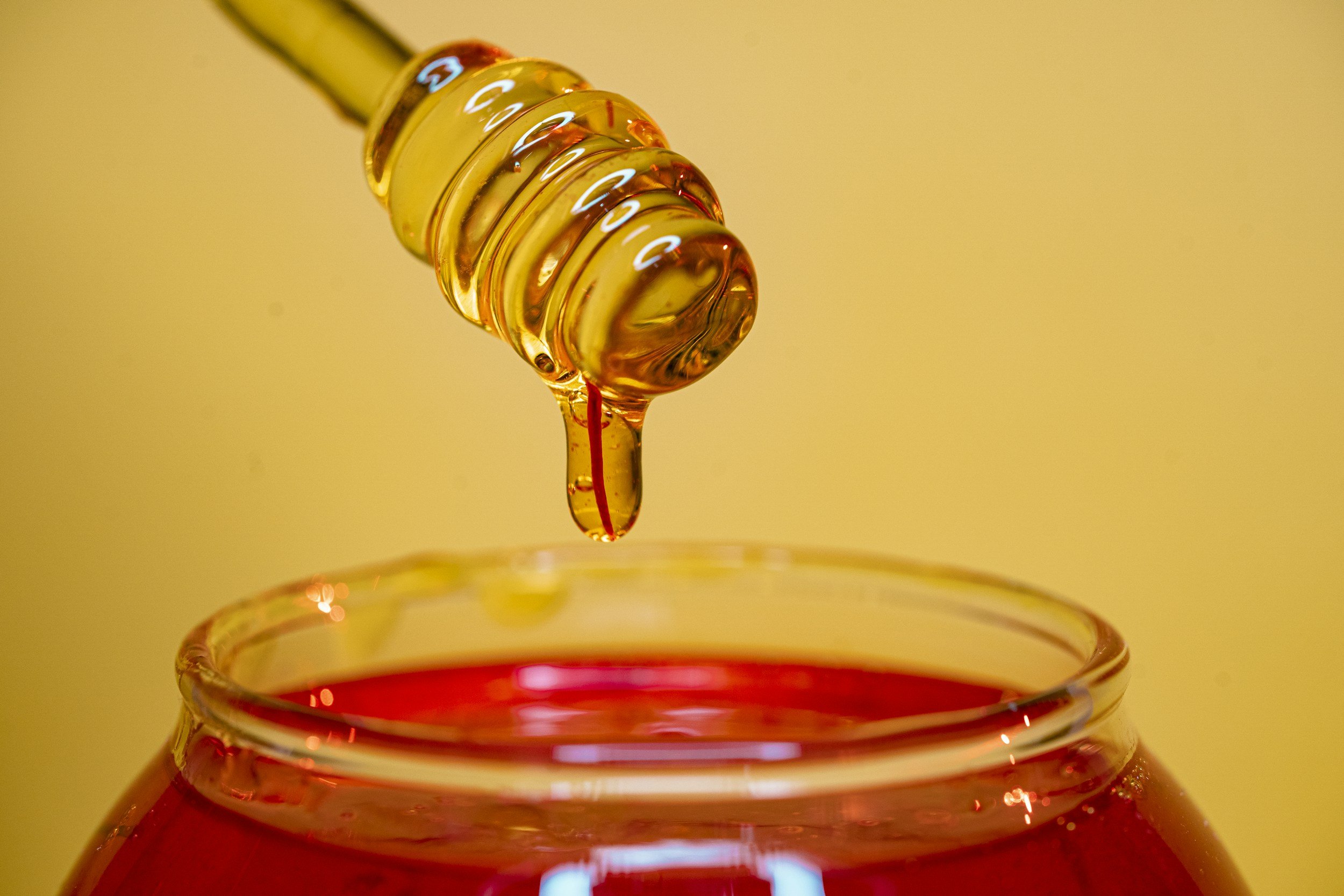
Consuming local honey can help prevent local seasonal allergies and boost your immune system!
What Makes Local Honey Different
Local honey is typically harvested in small batches by beekeepers within a specific region. Unlike mass produced honey that may be filtered heavily, blended from multiple sources, or transported long distances, local honey retains characteristics tied to the plants and environment where it was produced.
Because bees gather nectar from nearby flowers, trees, and crops, local honey reflects the flavors and floral notes of the surrounding area. In Wisconsin, this can include clover, wildflowers, basswood, and other native plants. These subtle differences create a unique taste that cannot be replicated elsewhere.
Local honey is often minimally processed, which helps preserve its natural texture, color, and complexity. This careful approach results in a product that feels more authentic and connected to its origin, making it a preferred choice for those seeking quality and transparency.
Local Honey and Seasonal Allergens
One of the most talked about benefits of local honey is its connection to seasonal allergens. While not a medical treatment, local honey has long been part of traditional wellness practices.
Understanding Local Pollen Exposure
Bees collect nectar and pollen from flowering plants within their immediate environment. As they move from plant to plant, trace amounts of local pollen may become incorporated into the honey they produce. This means local honey contains elements that are specific to the area where it is harvested.
How Local Honey May Support Allergy Awareness
Many people believe that regularly consuming small amounts of local honey helps the body become more familiar with local pollen. This belief is based on the idea that gradual exposure may support overall comfort during allergy season. It is important to note that this is a traditional belief rather than a guaranteed solution, and individuals should always consult healthcare professionals for allergy related concerns.
Why True Local Sourcing Matters
For those interested in this potential benefit, sourcing honey locally is key. Honey produced hundreds of miles away will not contain pollen from the same plants found in Wisconsin. Choosing honey from local beekeepers ensures that the product reflects the surrounding environment.
Supporting Local Farmers and Beekeepers
Choosing local honey directly supports small scale farmers and beekeepers who play an essential role in Wisconsin’s agricultural landscape.
Strengthening the Local Economy
When you purchase local honey, your money stays within the community. This supports family owned businesses, encourages local entrepreneurship, and helps sustain rural and agricultural livelihoods. These economic benefits ripple outward, strengthening the entire local food system.
Preserving Traditional Beekeeping Practices
Many Wisconsin beekeepers rely on time honored practices that prioritize bee health, ethical harvesting, and sustainability. Supporting local honey helps preserve these methods and ensures that future generations can continue this craft.
Building Consumer Trust and Transparency
Buying local often means knowing where your food comes from. Many beekeepers are happy to share information about their practices, the plants their bees pollinate, and how the honey is harvested. This transparency builds trust and deepens appreciation for the product.
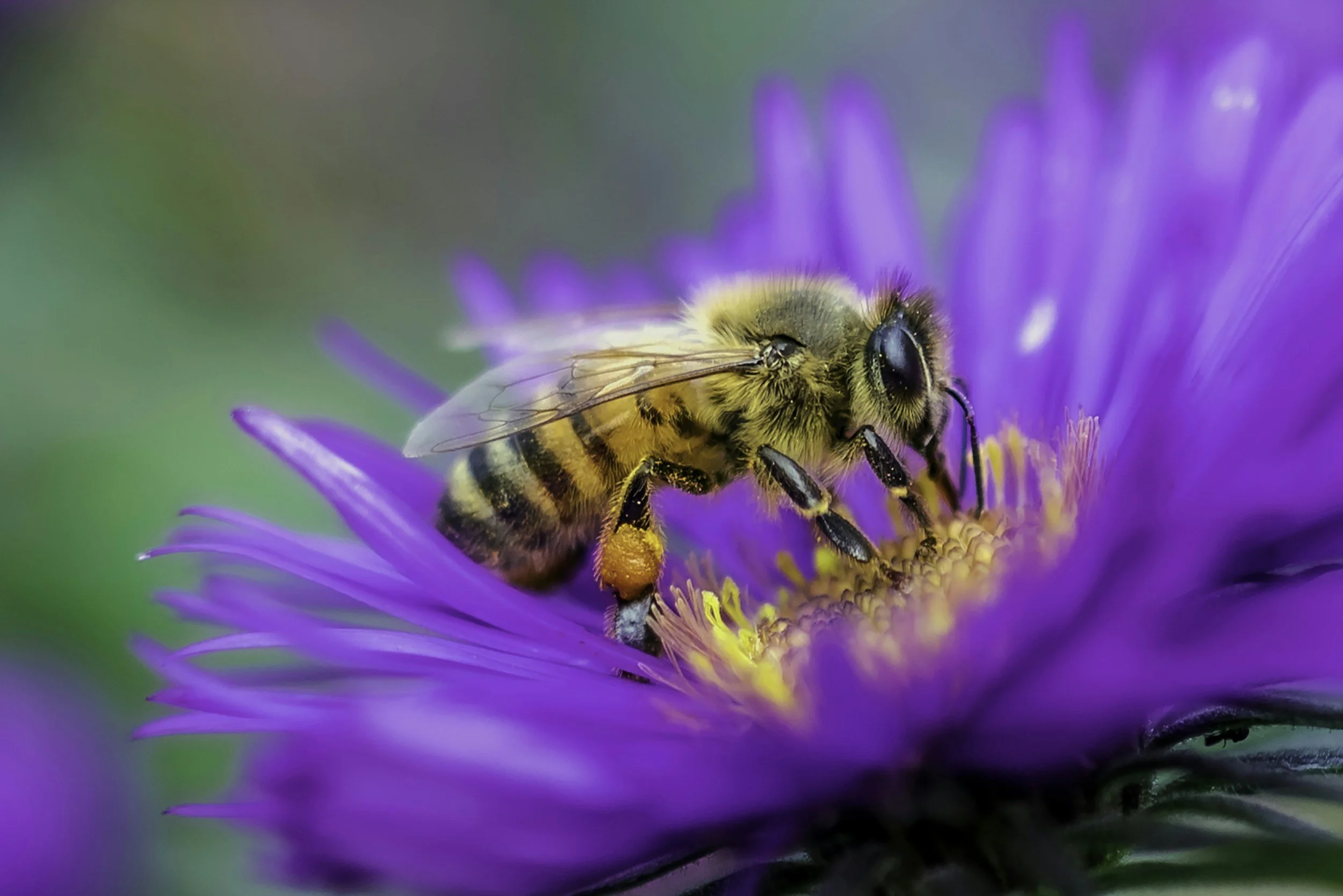
Local bees benefit the local ecosystem, while producing pollen that can help prevent seasonal allergic reactions.
Benefits for Wildlife and Pollinator Populations
Bees are one of the most important pollinators in the world. Their work supports both agriculture and natural ecosystems.
The Role of Bees in Pollination
Pollinators are responsible for helping plants reproduce by transferring pollen between flowers. This process supports the growth of fruits, vegetables, nuts, and seeds. In Wisconsin, bees play a critical role in supporting crops as well as native plant species.
How Supporting Local Honey Encourages Healthy Bee Populations
Purchasing local honey helps fund responsible beekeeping practices that prioritize hive health and sustainability. Ethical beekeepers monitor their colonies carefully, protect them from disease, and manage harvesting in a way that does not harm the bees.
Impact on Local Biodiversity
Healthy pollinator populations contribute to biodiversity. When bees thrive, plant diversity increases, which supports birds, insects, and other wildlife. This interconnected system helps maintain balanced ecosystems across Wisconsin.
Environmental Benefits of Choosing Local Honey
Local honey offers meaningful environmental advantages compared to mass produced alternatives.
Reduced Transportation and Carbon Footprint
Local honey does not require long distance transportation, refrigeration during shipping, or extensive packaging. Shorter supply chains reduce fuel consumption and emissions, making local honey a more environmentally responsible choice.
Sustainable Land Use and Farming Practices
Beekeeping often aligns with sustainable land use. Many beekeepers maintain habitats that support flowering plants and encourage healthy ecosystems. Supporting local honey indirectly supports land stewardship and conservation efforts.
Reduced Processing and Packaging Waste
Local honey is often sold in reusable or recyclable containers and requires less processing. This reduces waste and energy use while preserving the integrity of the product.
Local Honey in Everyday Enjoyment and Entertaining
Beyond its broader benefits, local honey enhances everyday experiences. Its flavor complexity makes it a versatile addition to meals and gatherings.
Local honey pairs beautifully with artisan cheeses, adding contrast and balance to savory elements. It elevates charcuterie boards by introducing natural sweetness and texture. It can also be used in spreads, dressings, and simple pairings that highlight quality ingredients.
In entertaining settings, local honey serves as both a flavorful and thoughtful addition. Guests often appreciate learning about where ingredients come from, making local honey a conversation starter as well as a culinary highlight.
Why Local Honey Is a Thoughtful Choice for Wisconsin Consumers
Choosing local honey reflects values that extend beyond taste. It supports local businesses, encourages environmental responsibility, and honors the role of pollinators in our food system.
For Wisconsin consumers, local honey connects daily choices to the broader landscape. It represents care for community, wildlife, and sustainable practices. These values align with a growing desire to make intentional, meaningful food choices.
Choosing Sweetness With Purpose
Local honey offers a unique blend of flavor, tradition, and impact. From supporting local beekeepers and pollinator populations to reducing environmental impact, the benefits of consuming local honey reach far beyond the table.
Whether enjoyed daily or incorporated into elevated entertaining, local honey brings purpose to sweetness. At Bites of Bliss Charcuterie in Milwaukee, Wisconsin, we value ingredients that reflect quality, care, and connection to our community. Choosing local honey is one small but powerful way to support the people and ecosystems that make exceptional food possible.