
How Wisconsin Cheeses Are Made: Cheddar, Parmesan, and Brie
Cheese is deeply woven into Wisconsin’s identity. Known as America’s Dairyland, Wisconsin has built a reputation for producing some of the finest cheeses in the world. From sharp cheddars to delicate brie, the cheese making traditions in Wisconsin reflect craftsmanship, patience, and a respect for quality ingredients. For lovers of charcuterie, understanding how different cheeses are made adds another layer of appreciation to every bite.
In this guide, we will explore how some of Wisconsin’s most beloved cheeses are made, including cheddar, parmesan, and brie, and why they play such an important role on a luxury charcuterie board.
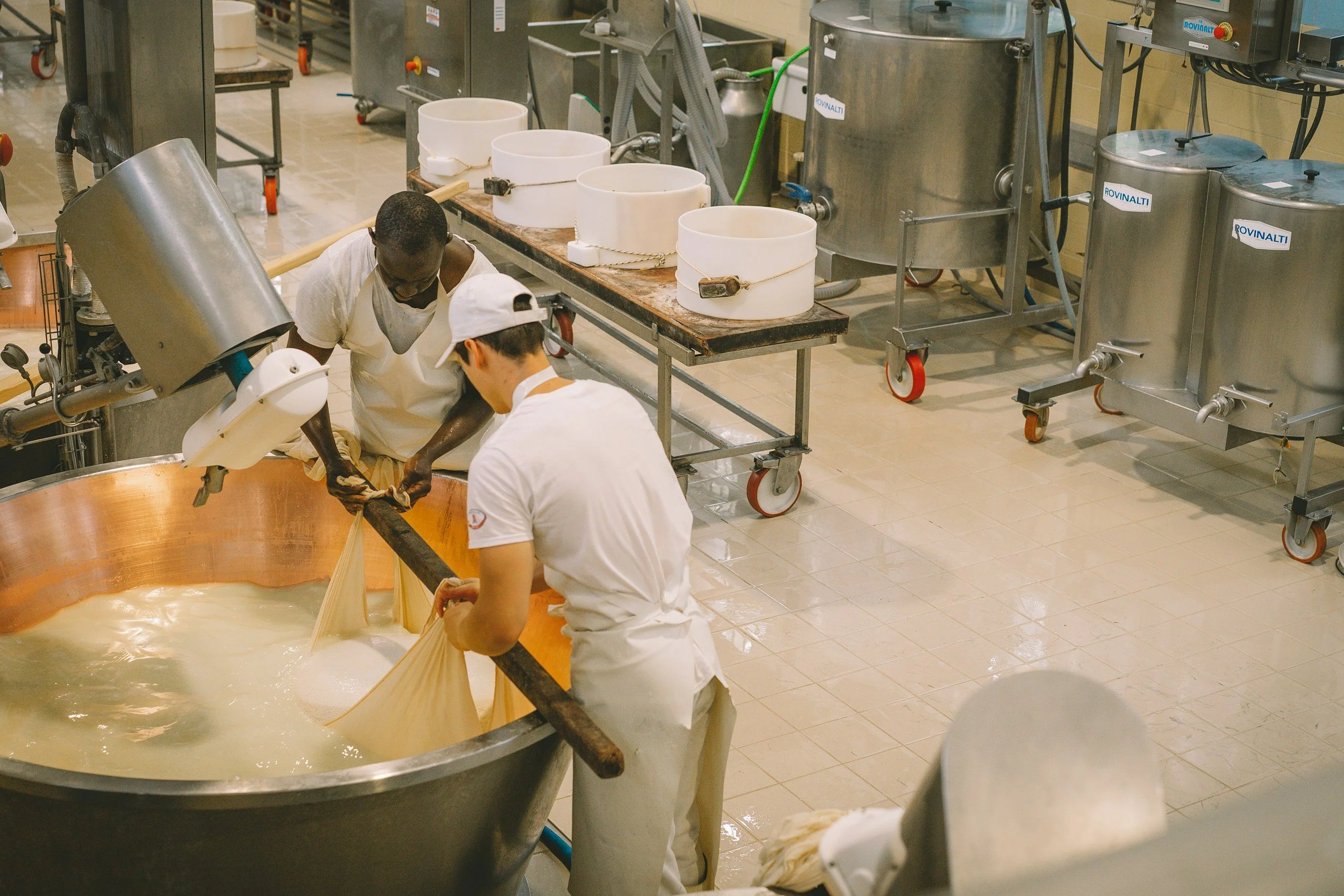
Behind the scenes of Wisconsin cheese making, where craftsmanship meets tradition, expert craftsmen meticulously manage each batch of cheese, using slightly different techniques and traditions.
Wisconsin’s Rich Cheese Making Tradition
Wisconsin’s cheese legacy dates back to the mid 1800s, when European immigrants from countries such as Germany, Switzerland, and Italy settled throughout the state. These immigrants brought generations of cheese making knowledge with them, along with traditional recipes and techniques that had been passed down within their families. Early Wisconsin farms were well suited for dairy production, thanks to fertile land, abundant pasture, and a climate ideal for raising dairy cows.
As small family farms grew, cheese making became a way for farmers to preserve milk and create a reliable source of income. Local creameries began appearing across Wisconsin, allowing communities to refine their skills and establish regional styles of cheese. Over time, Wisconsin became known for its dedication to quality milk, careful aging processes, and hands on craftsmanship. These core values remained even as technology advanced and production methods evolved.
Today, Wisconsin produces more cheese than any other state in the country, earning its reputation as America’s Dairyland. Modern cheesemakers continue to honor traditional techniques while embracing innovation in food safety, aging environments, and flavor development. This balance of heritage and progress results in cheeses that are consistent, complex, and deeply flavorful. For luxury charcuterie boards, Wisconsin cheeses offer both authenticity and excellence, making them ideal for everyday enjoyment as well as elevated, thoughtfully curated experiences.
How Cheddar Cheese Is Made in Wisconsin
Cheddar is one of the most iconic cheeses produced in Wisconsin. Known for its firm texture and rich flavor, cheddar can range from mild and creamy to sharp and complex depending on how long it is aged.
The process begins with fresh cow’s milk, which is gently heated and combined with cultures that help convert lactose into lactic acid. Rennet is then added to cause the milk to coagulate, forming curds and whey. Once the curds are cut, they are heated and stirred to release more whey.
What makes cheddar unique is a step called cheddaring. During this process, the curds are stacked, flipped, and cut repeatedly. This helps expel additional whey and develops the cheese’s characteristic texture. After cheddaring, the curds are milled, salted, and pressed into molds.
Cheddar is then aged anywhere from a few months to several years. Wisconsin cheddars are especially known for their depth of flavor, thanks to careful aging conditions and high quality milk. On a charcuterie board, cheddar provides a familiar yet bold option that pairs beautifully with fruits, nuts, and cured meats.
How Parmesan Cheese Is Made in Wisconsin
Parmesan style cheese, often referred to as Parmesan or Parmigiano inspired cheese, is another standout produced in Wisconsin. This hard, granular cheese is prized for its nutty, savory flavor and long aging process.
The process begins with partially skimmed cow’s milk, which is heated and combined with cultures and rennet. Once curds form, they are cut very finely and cooked at higher temperatures than many other cheeses. This step helps remove moisture and creates the dense texture parmesan is known for.
After cooking, the curds are pressed into large wheels and soaked in a brine solution. Salting is a crucial step, as it enhances flavor and helps preserve the cheese during aging.
Parmesan is aged for a minimum of several months, but many Wisconsin producers age their wheels for a year or longer. During this time, the cheese develops its signature crumbly texture and complex, umami rich flavor.
On a charcuterie board, parmesan adds contrast. Its firm texture and savory notes balance softer cheeses and sweeter accompaniments. Shaved or broken into rustic chunks, parmesan brings depth and sophistication to any spread.
How Brie Cheese Is Made in Wisconsin
Brie offers a completely different experience from cheddar and parmesan. Known for its soft interior and bloomy rind, brie is creamy, mild, and elegant.
The process starts with whole cow’s milk, which is gently warmed and mixed with cultures and rennet. Once the curds form, they are carefully ladled into molds rather than cut and stirred aggressively. This gentle handling helps retain moisture, which is essential for brie’s soft texture.
After draining, the wheels are lightly salted and sprayed with a special mold culture that creates the white rind. This mold is what gives brie its distinctive appearance and contributes to its flavor as the cheese ages.
Brie is aged for a relatively short period, often just a few weeks. During this time, enzymes break down the interior of the cheese, transforming it from firm to soft and creamy.
Wisconsin bries are celebrated for their balance of richness and subtle flavor. On a charcuterie board, brie serves as a crowd favorite, offering a luxurious, spreadable option that pairs well with fruits, honey, and crisp crackers.
Why Wisconsin Cheeses Shine on Charcuterie Boards
Each of these cheeses brings something unique to a charcuterie board. Cheddar offers bold familiarity, parmesan adds savory complexity, and brie delivers creamy indulgence. Together, they create balance in flavor, texture, and appearance.
Wisconsin’s emphasis on quality milk and skilled cheesemaking ensures that these cheeses perform beautifully in both taste and presentation. When paired with premium cuts of meats, fresh fruits, and seasonal selections, Wisconsin cheeses elevate the entire charcuterie experience.
For luxury charcuterie boards, choosing cheeses with distinct characteristics is key. Wisconsin cheeses provide that variety while maintaining exceptional quality.
Celebrating Wisconsin Cheese Through Charcuterie
At Bites of Bliss Charcuterie in Milwaukee, Wisconsin, artisan cheeses are at the heart of every board. Understanding how these cheeses are made allows us to curate boards that highlight their best qualities.
By combining thoughtfully selected Wisconsin cheeses with premium meats and fresh accompaniments, charcuterie boards become more than just food. They become a celebration of craftsmanship, flavor, and local tradition.
Whether you are hosting an event, planning a wedding, or simply enjoying a beautiful board with loved ones, Wisconsin cheeses bring authenticity and excellence to every occasion.